


BlueSky Workforce
Some workforce programs are too complex, too regulated, or too important to figure out as you go.
I help colleges build and launch aviation, public safety, fire technology, drone, and emerging technical programs — the ones where FAA approvals, state compliance, accreditation, facilities, staffing, and industry partnerships all have to come together before a single student enrolls.
If your program has been stalled, underfunded in expertise, or is simply too high-stakes to get wrong — that's exactly where I do my best work.
"We need a Ron for that." — College leadership, Cuesta College
Who This Is For
BlueSky Workforce works with colleges that are:
Developing a new CTE or workforce program in a regulated or technical field
Responding to employer demand, grant funding, or industry partnerships that need to move into implementation
Trying to move a funded idea into an actual launch plan
Supporting faculty or administrators assigned to build a program with limited bandwidth
Trying to rescue a program that has stalled or lost momentum
If any of these describe your situation, you're in the right place.

Workforce Program Development in Practice
Workforce programs are often discussed in terms of outcomes, enrollment, completion, and job placement, but the work required to get there is operational. It involves aligning curriculum, compliance requirements, facilities, equipment, staffing, scheduling, and industry partnerships so the program can actually function on day one.
Each of those elements carries constraints. Those constraints, not the concept, usually determine whether a program moves forward or stalls.

Program Development In Regulated Environments

At BlueSky Workforce, the focus is on program development in regulated industries where design is driven by external standards, certification requirements, and operational constraints—not preference.
In aviation, this includes the design and implementation of the first helicopter pilot training program in California to fully align FAA flight training with a college degree structure approved through the Accrediting Commission for Community and Junior Colleges. That work required integrating federal flight training requirements with academic standards, creating a model where regulatory compliance and degree structure operate together.
This work also includes the development and launch of FAA-aligned aviation maintenance programs, where curriculum, facilities, instructor qualifications, and assessment processes must meet federal requirements prior to approval and throughout ongoing operation. In these environments, compliance is not a consideration—it is the framework the program is built within.
This work includes advanced aircraft maintenance and manufacturing environments, where training must reflect current industry practices while remaining consistent with regulatory and quality standards. This requires direct coordination with industry to ensure programs align with how work is actually performed.
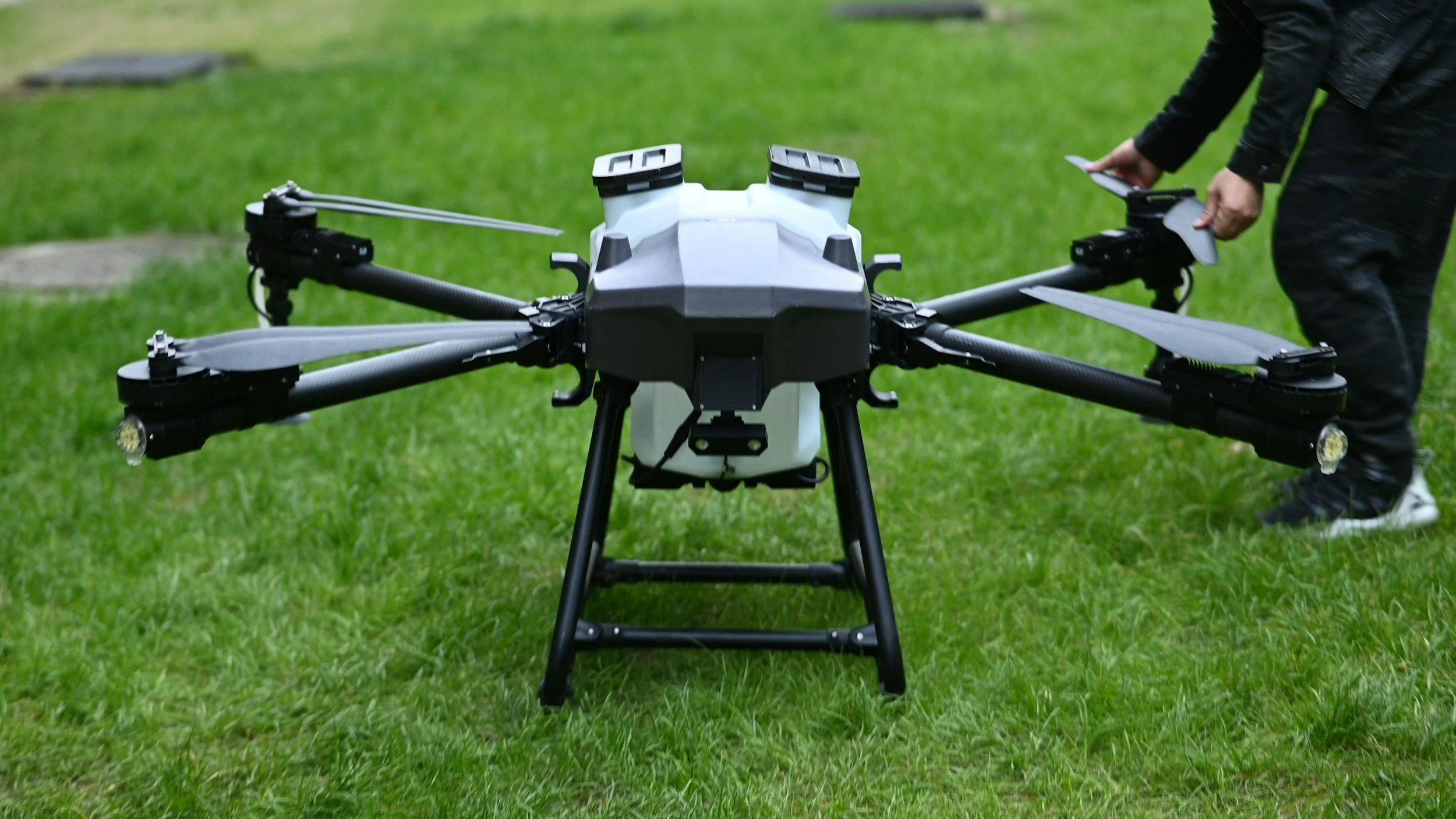
In unmanned aerial systems, programs are designed to align with FAA airspace regulations and certification pathways, including coursework leading to FAA Part 107 certification. This includes building structured pathways from secondary education through community college and into workforce application, with regulatory alignment built into the program from the outset.
Within public safety, this includes the design and structuring of Fire Technology programs aligned with State Fire Training requirements, including certification pathways and agency-based delivery models. This work requires integrating academic structure with in-service training expectations and operational realities within fire agencies.
Across all of this work, the focus is consistent: programs are built to meet regulatory requirements, align with industry practice, and operate as intended once implemented.
Why Institutions Work With Bluesky Workforce
Most institutions do not struggle with ideas. They struggle with execution.
Workforce programs—particularly those tied to industry partnerships or regulatory requirements—introduce complexity that cuts across multiple parts of the institution. Curriculum must meet approval standards. Facilities and equipment must support instruction. Faculty must be qualified and prepared to deliver. External certification or accrediting bodies impose additional requirements that must be met before a program can launch.
These elements are typically managed by different departments, each with its own timelines and priorities. As a result, programs often move forward unevenly. One part is ready while another is not. Decisions are made in isolation, and dependencies are identified too late.
At the same time, industry partners often bring clear workforce needs but are not familiar with how those needs must be translated into compliant curriculum and training structures within an academic institution. This creates a disconnect between urgency on the industry side and process on the institutional side.
The result is predictable. Programs stall during development, lose momentum, or fail to launch altogether. In some cases, the industry turns to private providers when public institutions cannot respond in time.
BlueSky Workforce works in that gap.
The focus is on aligning institutional processes, faculty expertise, industry requirements, and regulatory frameworks into a single, coordinated effort. Work is structured so that decisions are made with implementation in mind, dependencies are addressed early, and programs move forward as integrated systems rather than isolated parts.
The outcome is not a concept or a plan. It is a program that can launch, operate, and sustain itself within the realities of the institution.


Where Programs Break Down In Practice
Across institutions and program types, the same issues show up.
Curriculum is developed without a clear path to implementation. Courses may be approved, but facilities are not ready, equipment is not aligned, or qualified faculty are not in place to deliver instruction.
Equipment is purchased without a direct connection to how it will be used. Without alignment to curriculum and instruction, it sits underutilized…or is not acquired in time to support course delivery.
Faculty are brought in with strong industry experience but limited familiarity with curriculum development, approval processes, or accreditation requirements. That gap slows progress and creates friction in getting courses through the system.
At the same time, internal processes do not move together. Curriculum, hiring, facilities, and procurement are handled separately, each on its own timeline. Dependencies are identified late, and instead of launching in parallel, functions execute in sequence, and programs lose momentum.
These are not isolated problems. They are consistent failure points when programs are developed in parts instead of as an integrated system.

Approach
Industry needs and certification requirements are identified early so program certification and coursework are aligned. The goal is to define not only what a new program looks like, but what it takes to implement, assess available resources and identify gaps before committing to launch.
If the new program still makes sense to launch, program design is tied directly to operation. Curriculum, equipment, and staffing are developed together, with attention to how instruction will actually be delivered. BlueSky Workforce works alongside faculty in designing curriculum and navigating the college’s internal approval processes, while coordinating with external accrediting agencies so that college curriculum translates into industry-recognized credentials.
Dependencies are identified early, sequencing is intentional, and coordination across departments is part of the program development phase so that the program functions as intended when it launches.


How It Works
BlueSky Workforce supports colleges at three different points in the program development process: before launch, during launch, and after launch. Colleges can begin with a focused feasibility review, engage BlueSky Workforce to work alongside the internal launch team, or retain ongoing support during the first offering of a new program.
1. Program Feasibility & Readiness Reviews
This option is for colleges that want to evaluate a potential emerging technology, technical workforce, or regulated training program before committing significant time, funding, staff capacity, or institutional resources.
BlueSky Workforce provides an early-stage review to determine whether the program concept appears viable, what major issues need to be addressed, and what would be required to realistically move forward.
Best fit when a college is considering a new program or expansion and wants a clear picture before committing significant resources.
Primary question answered:
Should we move forward, and what major issues do we need to understand first?
Typical pricing:
Usually priced on a per-program basis, depending on program complexity, regulatory or accreditation requirements, and the depth of review needed.
2. Faculty Launch Support & Implementation Advisor
This option is for colleges that have decided to move forward and need structured support to help the internal team turn the concept into an executable launch plan.
BlueSky Workforce works alongside leadership, faculty, professional experts, curriculum staff, and industry partners to help guide the program development process. The goal is not to replace internal faculty or staff, but to provide structure, subject-matter guidance, milestone tracking, document review, and team development as the program is built.
This model is especially useful when a program involves multiple stakeholders, emerging industry standards, outside certification or accreditation requirements, specialized equipment, or limited internal bandwidth.
This option can be structured as either a defined launch support project or a monthly advisory engagement.
Best fit for colleges that have internal staff or faculty who can do the work, but need an experienced external advisor to help structure the process, train the team along the way, and keep the launch moving.
Primary question answered:
How do we build this program correctly, in the right order, with the right people, documents, approvals, and safeguards?
Typical pricing:
Usually structured as a monthly advisory engagement or per-program launch support agreement, with milestones and deliverables articulated in the scope of work.
3. Ongoing Post-Launch Support
This option is for colleges that have launched a new program and need support through the first cohort or early implementation period.
New technical and regulated programs often require additional attention after the first students are enrolled. Faculty, division chairs, and deans may still be learning the operational requirements of the program, while outside agencies or accrediting bodies may require documentation, reporting, communication, or corrective follow-up during the first offering.
BlueSky Workforce provides post-launch support to help stabilize operations, maintain alignment with program requirements, and support leadership through the early delivery period.
Best fit for complex programs with limited administrative bandwidth, new regulatory or accreditation obligations, or first-cohort implementation risk.
Primary question answered:
Now that the program has launched, how do we keep it stable, compliant, and moving in the right direction?
Typical pricing:
Usually structured as a committed term of engagement, followed by month-to-month support as needed.
Have a workforce program that needs to launch — or one that’s been stuck longer than it should be?
Start with a conversation. There’s no pressure and no pitch — just an honest look at whether I can help.
— Ron Overacker, BlueSky Workforce